
Best 1-Year MBA Programs in India

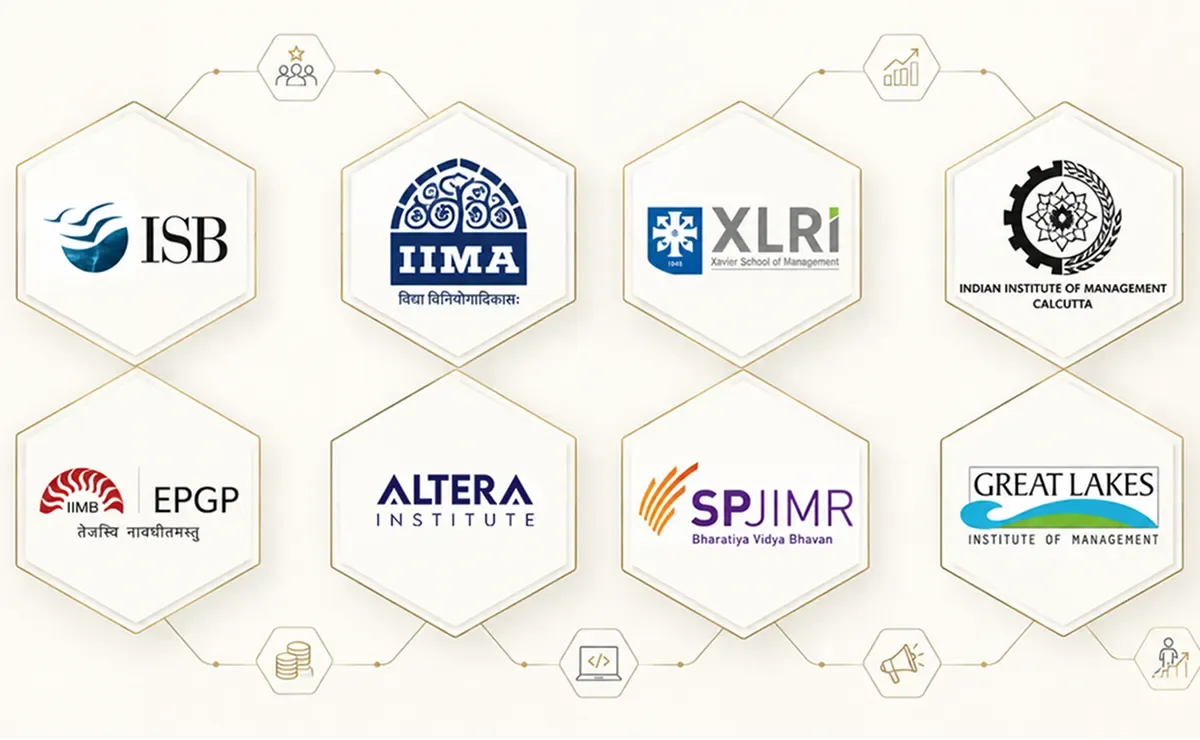
If you are looking for the best 1-year MBA programs in India, some of the most recognized options include ISB, IIM Ahmedabad PGPX, IIM Bangalore EPGP, MICA, SPJIMR PGPM, and Altera Institute. These 1-year MBA programs are primarily suited to working professionals and experienced candidates who want to accelerate their careers without taking two years away from work. They can be worth the investment when the program matches your career goals, experience level, expected ROI, and preferred specialization.
However, no 1-year MBA is universally the “best” for everyone. Your choice should also consider factors such as flexibility, curriculum, industry alignment, career outcomes, and the kind of roles you want to pursue after graduation.
While traditional programs can be a strong choice for leadership and general management roles, Altera Institute offers a modern alternative focused on digital-first business careers. It can be particularly relevant if you are targeting growth marketing, AI-enabled business, ecommerce, or startup ecosystems.
Top 1-Year MBA Programs in India Compared
How To Choose The Right 1-Year MBA Program For You?

A shorter MBA does not automatically mean a weaker learning experience. A 1-year MBA can be just as valuable when the program is well structured, focused, and designed around the needs of experienced professionals. The difference lies in what you learn, how you learn it, and how closely the program connects classroom learning with real business challenges.
When comparing the best 1-year MBA programs, look beyond the duration. An intensive program can help you build relevant skills without spending two years away from your career.
For example, Altera Institute takes an industry-aligned approach with an AI-first marketing focus. Its orientation towards growth marketing and ecommerce makes it relevant for professionals who want to build careers in digital-first businesses rather than follow a traditional management path.
Curriculum Relevance & Specialization Strength
Start by looking at what you will actually learn. A strong curriculum should reflect how businesses operate today, rather than rely heavily on concepts that have remained unchanged for years.
Look for subjects that build practical capabilities in areas such as digital business, AI, analytics, growth strategy, marketing, and ecommerce. Your chosen specialization should also match the roles you want to pursue after the program.
Industry Connections & Placements
Industry exposure can make a significant difference to your learning and career outcomes. Look for programs that involve companies, industry professionals, live projects, or real business problems.
You should also evaluate placement support and the types of companies and roles available to graduates. This gives you a better idea of whether the program can help you move towards your target career.
Peer Group Quality
Your classmates can become an important part of your professional network. Look at the experience, industries, and career backgrounds of the people who typically join the program.
A diverse peer group can expose you to different ways of solving business problems and give you opportunities to learn from professionals with different experiences.
ROI & Opportunity Cost
A program's fee is only one part of its cost. You should also consider the income you may give up while studying and the time required to complete the program.
Compare the total investment with potential career progression, salary growth, skill development, and long-term opportunities. A shorter program can reduce the opportunity cost, but only if it delivers skills and outcomes that justify the investment.
Flexibility for Career Switchers
If you are planning a career switch, flexibility becomes even more important. Look for programs that allow you to build skills relevant to your target industry rather than simply offering a general management qualification.
A program with practical projects, industry exposure, and a clear focus on emerging business areas can help you demonstrate your capabilities when entering a new field.
Is a 1-Year MBA Too Short to Learn Properly?
A 1-year MBA can provide a strong learning experience, but it is not the right format for everyone. The shorter duration means the program is more intensive, with less time for exploration between subjects, internships, or extended academic projects. Whether that is an advantage or a limitation depends on what you want from an MBA.
It can work particularly well if you already have a clear career direction and want to build relevant skills quickly. On the other hand, if you are still exploring your options or prefer a slower, more academic approach to learning, a longer program may give you more room to discover what works for you.
A 1-year MBA can work well for:
- Experienced professionals who already understand the workplace and want to accelerate their careers, move into management, or strengthen their business skills.
- Career accelerators who know the kind of role or industry they want to move towards and want to make that transition within a shorter timeframe.
- Freshers seeking focused specialization who have a clear idea of the skills they want to develop and the career path they want to pursue.
A 1-year MBA may be weaker for:
- Students who need internships for discovery, especially if they want to use an internship to explore different industries, functions, or career paths before committing.
- People who prefer a slower, academic learning environment, where they have more time to absorb concepts, explore subjects, and engage in extended coursework.
- People making a completely unclear career switch who are still deciding which industry, function, or specialization they want to pursue.
This is also where program design matters. Altera Institute, for example, is built around a focused learning model that brings AI, growth, e-commerce, and other digital business skills into the core of the program. For someone who already knows they want to build a career in these areas, that focused approach can make a 1-year MBA more relevant than a broader program that spends more time covering general management.
Best 1-Year MBA Programs by Career Goal
Final Thoughts
Choosing among the best 1-year MBA programs in India is ultimately about finding the right fit rather than following a single ranking. The programs covered in this guide serve different needs, from established management and leadership pathways to specialized careers in marketing, technology, and digital business.
Your career direction should therefore remain the starting point when making your decision. Look at the program structure, eligibility, fees, learning format, and career outcomes alongside the reputation of the institution.
For professionals who want to build careers around the digital economy, Altera Institute is a strong modern alternative to traditional MBA pathways. Its focus on AI, growth, e-commerce, and analytics makes it particularly relevant to modern marketing roles where technology and business strategy are increasingly overlapping.
Frequently Asked Questions (FAQs)
Q1. Which is better: a 1-year or a 2-year MBA?
Ans. A 1-year MBA is generally more intensive, while a 2-year MBA gives you more time for internships, electives, and broader exploration. The better format depends on how much prior experience you have and what you want from the program.
Q2. Is ISB better than IIM one-year MBA programs?
Ans. Both ISB and IIM one-year MBA programs are ranked among some of the best MBA programs in the country, and neither is automatically better. The ultimate choice depends on what you want from the program.
Q3. Is a 1-year MBA valid in India?
Ans. A 1-year MBA can be a valid management qualification in India, but it is generally called a PGP program. Before enrolling, check the program's recognition, accreditation, awarding institution, and the specific qualification offered.
Q4. Can freshers do a 1-year MBA?
Ans. Some recognized 1-year MBA programs like Altera Institute accept freshers, but many programs require prior work experience.
Q5. What is the average salary after a 1-year MBA?
Ans. There is no single average salary applicable to all 1-year MBA graduates. Compensation can vary based on the institution, previous experience, role, industry, specialization, and your individual skills.
Q6. Is GMAT mandatory for a 1-year MBA in India?
Ans. GMAT is not mandatory for every 1-year MBA in India, but many programs like IIMs only accept GMAT/GRE scores for a 1-year MBA. On the other hand, some institutes may also accept XAT, CAT, and NMAT scores.
Q7. Is a 1-year MBA worth it in 2026?
Ans. A 1-year MBA can be worth it in 2026 if its curriculum and career outcomes match your goals. The value of the program should be assessed based on factors such as total cost, learning outcomes, career opportunities, and how relevant its skills are to your target industry.
Q8. Which is better: an executive MBA or a 1-year MBA?
Ans. An executive MBA and a 1-year MBA serve different purposes. An executive MBA may suit professionals who want to continue working while studying, whereas a full-time 1-year program can offer a more concentrated learning experience for those prepared to step away from work.