Full-Time MBA Programs in Delhi NCR for Career Growth: 2026 Guide
Delhi NCR offers several full-time MBA and MBA-equivalent management programs designed to accelerate career growth, but the best options differ based on whether you prioritize brand prestige, salary outcomes, industry exposure, or modern job-market relevance.
Do not just go by rankings. Some programs teach traditional management, while others, like Altera Institute, focus on skills needed in today's digital and business world. Both can work well, but the best fit depends on where you want to go in your career.
Why Delhi NCR Is One of the Best Regions for MBA-Driven Career Growth
If you are thinking about doing an MBA in India, Delhi NCR is one of the smartest places to do it, and not just because of the colleges.
Corporate Concentration
Delhi NCR covers three big business areas in one place. Being close to Gurugram and Noida means students here get access to companies that students in smaller cities simply do not. That concentration of offices and recruiters is what makes this region so useful for MBA students.
Access to Internships and Live Projects
Most MBA programs in this region connect students with real companies during the course itself. You can work on real projects and internships while still studying. Not only does this make your degree more valuable, but it also allows you to develop real-world skills simultaneously with it.
Higher Recruiter Density
Companies from the consulting, BFSI, IT, FMCG, and e-commerce sectors actively recruit management graduates from the region. Top hiring companies include Deloitte, HCL, ICICI Bank, EY, TCS, Accenture, KPMG, PwC, HDFC Bank, and Amazon. Few other cities in India offer this level of recruiter access.
Networking and Alumni Ecosystem
Being in Delhi NCR puts you around working professionals, senior leaders, and active alumni communities every day. This kind of organic networking is hard to replicate anywhere else in the country. It builds connections that last well beyond your MBA.
Exposure to Startups and MNCs
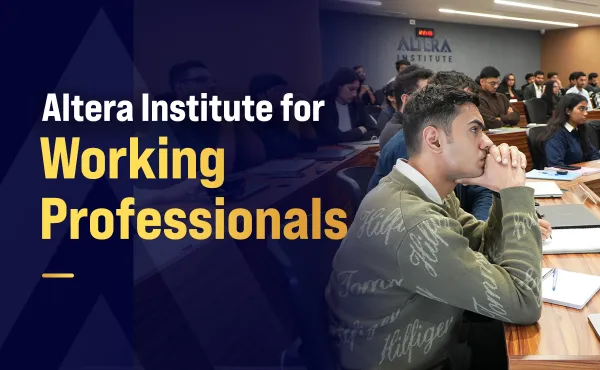
Students here get to see how both big companies and small startups work. This gives you a much broader understanding of the business world. Programs like Altera, based near Cyber City in Gurugram, are placed right in the middle of this environment, so students start benefiting from day one.
Best Full-Time MBA Programs in Delhi NCR for Career Growth
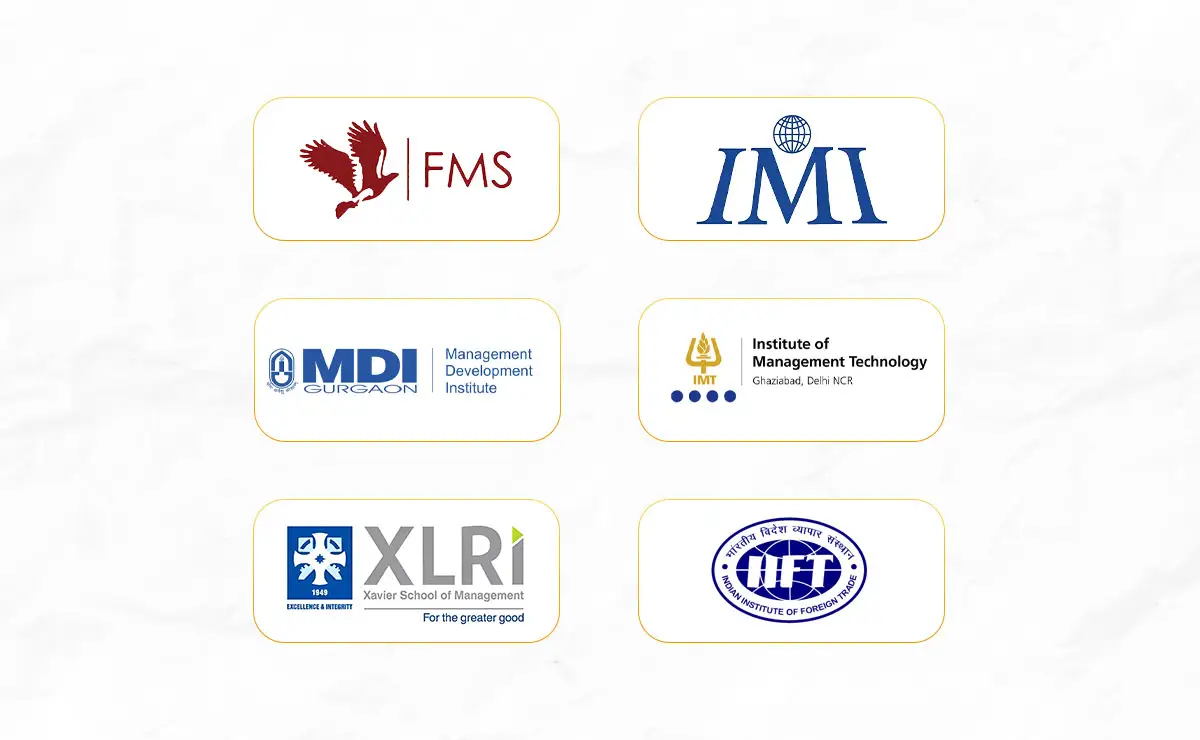
There are several great institutions in the region, and it is crucial to compare them side by side. The table below lists some of the most relevant programs for both freshers and early-career professionals, based on fees, placements, and domain strengths.
Most one-year programs in Delhi NCR are built for working professionals who already know their domain. But if you are looking to shift into digital, growth, or product roles specifically, Altera Institute stands apart. It is a 15-month specialist program with a strong median salary, and students see their income grow significantly from what they earned before joining.
How to Choose the Right MBA Program for Your Career Goals
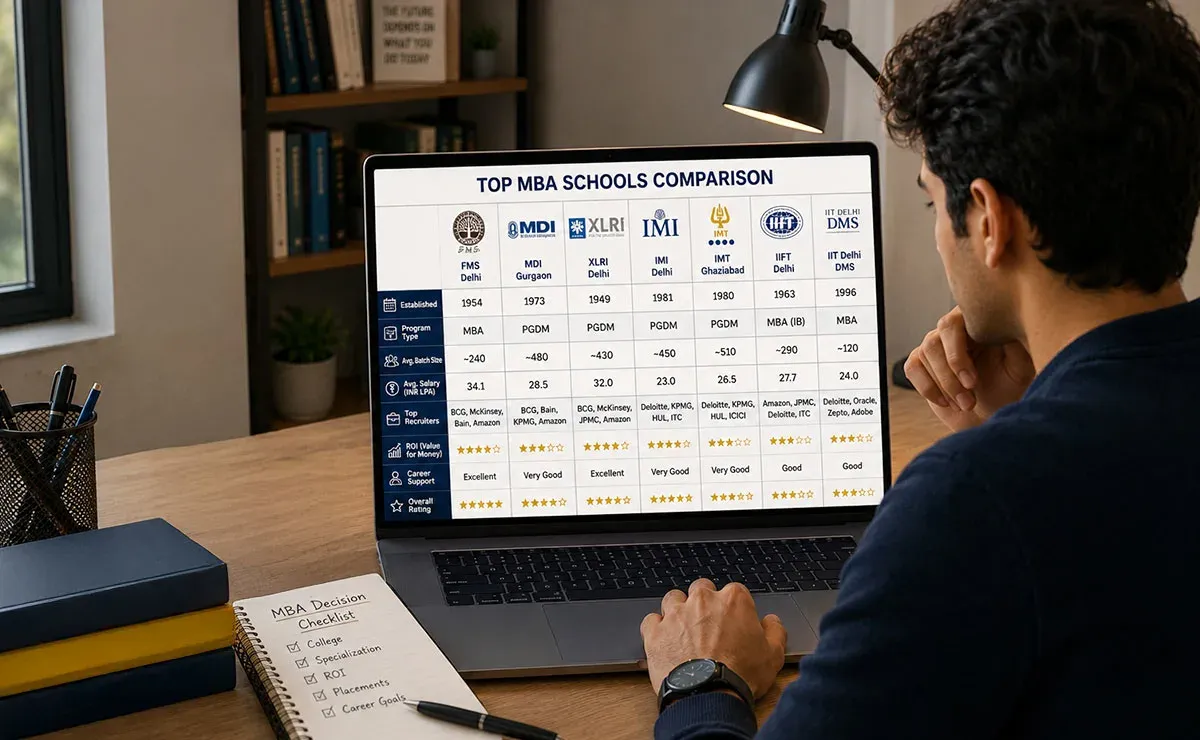
Picking the right MBA comes down to one simple question: what do you want your career to look like after you graduate? Here is a straightforward way to think about it.
- If you want to work at a top consulting firm or big bank, FMS Delhi and MDI Gurgaon are your best bets. Both have strong recruiter networks with companies like McKinsey, BCG, and Goldman Sachs visiting campus every year. FMS wins on value for money, while MDI wins on the recruiter variety.
- If you want a career in digital marketing, growth, product, or eCommerce, Altera Institute is the most focused option available. Every part of the curriculum is built around these roles from day one. The entire school is designed around exactly where India's job market is growing right now.
- If you want a broad general management foundation without a specific industry in mind, IMI Delhi and FORE School of Management are solid choices. Both are well-accredited and place students across the banking, consulting, and FMCG sectors. Good options if you are still figuring out your exact direction.
- If international business or global trade roles interest you, IIFT Delhi is the clear winner in Delhi NCR. It has the strongest recruiter base for international roles and one of the highest average salaries in the region. A strong pick for anyone targeting global companies or export-focused careers.
The key is to match the program to the career you actually want, not just the one that sounds most impressive on paper.
Best MBA programs in Delhi-NCR by ROI
ROI is not just about the highest salary. It is about how much you get back compared to what you put in. Here is how the top programs in Delhi NCR compare on that measure.
If ROI is your top priority, FMS Delhi is the clear winner. You pay Rs 2.43 lakh and graduate earning Rs 34 LPA on average. Delhi University colleges like DBE and DSE are close behind. They offer good job opportunities at overall fees of less than Rs 2 lakh.
If you miss top CAT percentiles, IMI Delhi and IMT Ghaziabad are solid fallback options. IMT had an average package of Rs 16.25 LPA with recruiters like Goldman Sachs, HCL, HSBC, and Dabur. The ROI is not exceptional, but both are well recognized by NCR companies.
If you want marketing, consulting, or international business, MDI and IIFT are the strongest options. MDI connects you to top consulting and finance firms. IIFT leads in global trade roles and has one of the highest salaries in the region.
Altera Institute works great across all three situations. Fees are at Rs 16.44 L, the median salary is strong, and students grow their income significantly from their pre-MBA pay. It is fully focused on digital and growth careers, giving you both ROI and role clarity.
Why Altera Stands Out for Career-Focused MBA Aspirants
Most MBA programs in Delhi NCR follow the same path. You study for two years, sit through placement season, and hope a good company picks you. Altera Institute works differently. It is made for people who want jobs in digital marketing, growth, product, and eCommerce. If that is where you want to go, Altera gets you there faster and more directly than most other programs.
1,200+ Hours of Industry-Designed Curriculum
The program has over 1,200 hours of learning, and all of it is built around real jobs in today's market. You are not reading theory from old textbooks. Every topic taught connects directly to what companies need from people they hire in digital and growth roles. So when you graduate, you are not starting from zero on the job.
Built with Input from 50+ Organisations
More than 50 companies helped shape what gets taught in this program. That means the skills you learn are things hiring managers are actually asking for right now. You are not just learning what looks good on paper. You are learning what gets you hired and what helps you do the job well from day one.
Focus on High-Growth Digital-First Roles
Most MBA programs prepare you for consulting, banking, or general management. Altera prepares you for the jobs that are growing the fastest right now—like growth manager, product manager, eCommerce manager, and roles at startups and D2C brands. These are not small niche jobs. They are some of the most in-demand roles in India today.
Faster ROI Through 1-Year Format
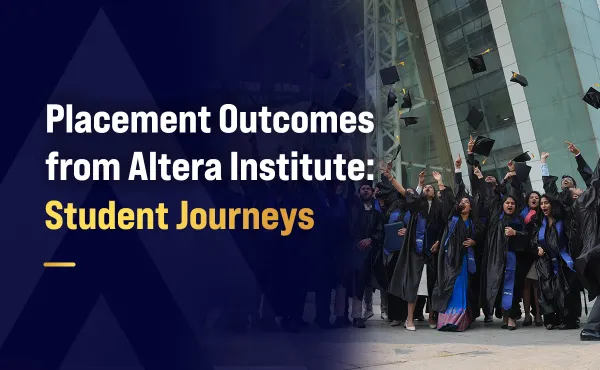
The median salary is Rs 18.14 LPA, and students earn 3.2 times more than what they made before joining. Because the program is shorter and more focused, you spend less time out of the workforce and recover your investment faster. Every placement number is IPRS-compliant and audited by the same independent firm that audits IIM Ahmedabad’s placement reports, so the numbers you see are real.
Frequently Asked Questions
Which MBA college in Delhi NCR is best for career growth?
It depends on what you want. FMS Delhi is best for value and consulting careers. MDI and IIFT are best for premium private programs. If you want a digital or growth career, Altera Institute is the most focused choice, with an industry-aligned curriculum and quicker ROI.
Are 1-year MBA programs good for career advancement?
Yes, if you already have work experience and know the direction you want to go. You finish faster, spend less, and lose less salary in the process. They work best when you have a clear goal in mind, not when you are still figuring out which industry you want to enter.
Is Altera better than a traditional MBA for digital-first careers?
For digital, growth, and product roles, yes. A regular MBA covers everything broadly but goes deep on nothing. Altera Institute’s PGP is built around digital careers. If your goal is a job at a startup, D2C brand, or e-commerce company, Altera gives you much better preparation than a general MBA.
Which MBA colleges in Delhi NCR have the best placements?
FMS Delhi, MDI Gurgaon, IIFT Delhi, IIT Delhi DMS, and Altera all report 100% placement rates. FMS and MDI lead on salary numbers. Altera leads on placement quality for digital roles. It is also the only college on this list whose placement report is audited and IPRS-compliant.
What should I prioritize for career growth: brand or curriculum?
The brand helps you get your first interview. Curriculum determines how good you actually are at the job. If you want consulting or finance, brand matters more. If you want a digital or growth career, what you learn matters more. For that second path, Altera is the stronger and more honest choice.