Brand Manager Salaries in Advertising Agencies vs. FMCG Companies

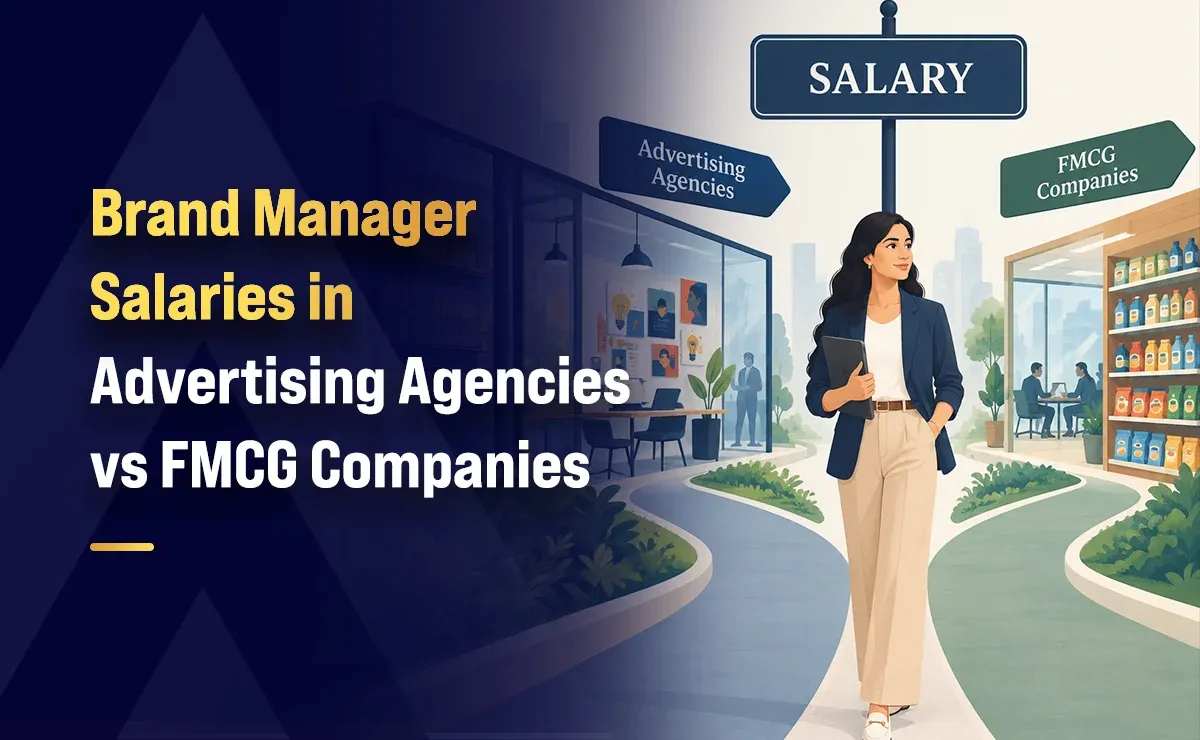
Ever wondered why two brand managers, doing what essentially looks like the same job, end up with very different paychecks? The role and function have continually evolved over the years, moulding themselves across industries as businesses have changed. Yet, when you probe deeper, you realize that brand manager salaries vary not only because of the job title but also because of business ownership, revenue impact, and decision-making responsibilities.
Let’s dive into these differences across advertising agencies, FMCG, D2C, SaaS, and startups, comparing salary, role expectations, career growth, and the skills employers value most. It is the same shift that Altera Institute’s program is designed around, equipping students with the practical, cross-industry skills the role now demands, for those exploring MBA brand management.
Brand Manager Salary in India Across Industries
*Note: The figures mentioned in the table above are indicative and subject to change depending on company size, location, and experience.
What Determines a Brand Manager's Salary?
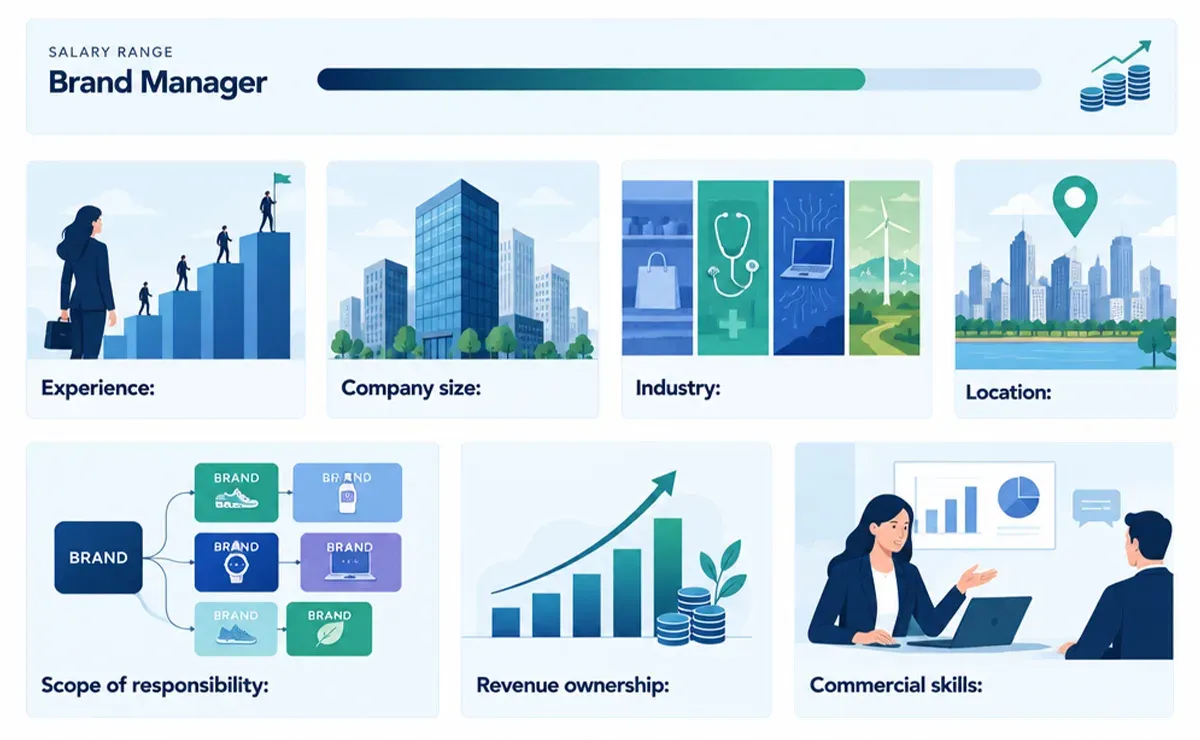
- Experience: Duration of work experience and the complexity of brands managed.
- Company size: Generally, larger companies enable access to more structured bands with higher pay.
- Industry: Typically, FMCG and SaaS industries offer a higher pay scale as compared to agencies or early-stage startups.
- Location: Metro cities usually command higher salaries than smaller markets.
- Scope of responsibility: Managing a single client versus handling a portfolio of brands comes with wider decision-making authority.
- Revenue ownership: Whether the role includes profit and loss accountability.
- Commercial skills: These include analytical ability, negotiation, go-to-market thinking, etc.
In essence, salary progression is influenced by both years of work experience and business impact.
This can be seen in the general brand manager career progression:
Management Trainee (MT) → Assistant Brand Manager (ABM) → Brand Manager (BM) → Senior Brand Manager (SBM) → Brand Director.
This path becomes a lot easier to walk on with appropriate academic backing, such as 1-year MBA programs that help you get back into the workforce faster as compared to the conventional 2-year courses.
What Pays More—FMCG or Brand-Side Roles?
This is a common question afflicting aspiring brand managers, and the answer depends less on the industry label and more on seniority, revenue dependence, and how closely the role is linked to business outcomes.
Advertising Agencies
Generally, brand managers on the agency’s side work across multiple clients and campaigns at once. This offers the dual benefit of broad learning alongside faster exposure early on in your career. Success in an agency tends to be measured through campaign execution and client satisfaction, instead of direct ownership of a business's revenue or growth.
FMCG, D2C, and SaaS
When it comes to the brand’s side of things, managers have greater responsibility in matters of product growth and business outcomes. This comes with greater participation in pricing, consumer strategy, product launches, and cross-functional decisions alongside sales and finance teams. This increased responsibility translates to higher compensation, especially for senior positions.
At junior positions, the pay differences could be modest; however, this gap widens with seniority as roles on the brand's side increasingly carry financial accountability that agency roles typically do not.
In essence, salary hikes are not just about job titles; instead, they are influenced by factors like ownership of business decisions and commercial impact that come with your role.
At Altera Institute, students are taught about commercial thinking alongside marketing execution, thereby helping them prepare for both agency-side and brand-side roles.
How Altera Institute Helps Build a Brand Management Career

Considering how closely the payable salary is linked with business ownership, the next step is understanding how an aspiring brand manager could prepare for that role early on. Here’s where Altera Institute’s program steps in. Instead of teaching marketing as an isolated subject, the syllabus is designed to expose students to how brand decisions are made in the real world. This is done with coursework that involves live industry projects, real consumer behavior analysis, and marketing strategy grounded in business context.
The program is also inclusive of AI-enabled marketing tools and cross-functional business exposure, so students understand how brand decisions are linked with sales, finance, and product teams instead of just the campaigns.
This real-world grounding ensures students are prepared for undertaking roles in an agency as well as a brand. Several alumni from Altera Institute have secured brand manager roles across FMCG, D2C, and SaaS companies, showing the kind of outcomes an MBA brand management education at Altera Institute aims to build toward.
Conclusion
If there is one key takeaway from all this, it is that higher salaries are associated with greater ownership and business impact instead of job titles alone. Advertising agencies offer breadth, giving brand managers early exposure to multiple clients and campaigns. FMCG, D2C, and SaaS roles deepen strategic responsibility via direct involvement in growth and revenue outcomes.
No one path is inherently better; it all boils down to individual interests and preferences, working style, and long-term aspirations. Those who are looking to build the commercial, analytical, and strategic capabilities that are expected across brand management roles in today’s day and age, Altera Institute's PGP offers a practical, industry-aligned starting point.
Frequently Asked Questions (FAQs)
Q1. Which MBA programs are best for brand management?
Ans: Look for programs that have strong FMCG placement records, an industry-led syllabus, and live brand projects. In India, this includes ISB, IIMs, and Altera Institute's PGP in Applied Marketing.
Q2. Which industry pays brand managers the highest salaries in India?
Ans: Generally, the most salary is paid by FMCG owing to ownership of profit and loss and a clear career progression. Following close suit are well-funded SaaS and D2C companies.
Q3. Can I move from an advertising agency to an FMCG brand manager role?
Ans: Not only is this possible, but it is also very common. Applicants will need to demonstrate strategic thinking and business impact instead of just campaign execution, often backed by an MBA or equivalent program.
Q4. What skills do recruiters expect from brand managers today?
Ans: Currently, the most sought-after skills include consumer insight, commercial and analytical thinking, cross-functional collaboration, and increasingly, comfort with AI-enabled marketing tools.
Q5. Is an MBA necessary to become a brand manager?
Ans: Not strictly, but it helps develop commercial and strategic skills that hiring managers seek, especially when it comes to FMCG and larger brand-side roles.
Q6. Which industries are hiring brand managers beyond FMCG?
Ans: In addition to FMCG, industries such as D2C, SaaS, e-commerce, fintech, and edtech companies are hiring more and more brand managers as they grow.
Q7. How to get into brand management roles in FMCG?
Ans: Most individuals enter via management trainee programs, campus placements from MBA or PGP courses, or by moving in from agency-side roles with a strong strategic track record.